Choosing between precast concrete and cast-in-place construction is one of the most important early-stage decisions on a building or infrastructure project. The right method affects programme duration, labour intensity, quality control, logistics planning, and long-term maintenance. While both systems can deliver durable structures, they perform differently depending on project constraints.
When Precast Performs Best
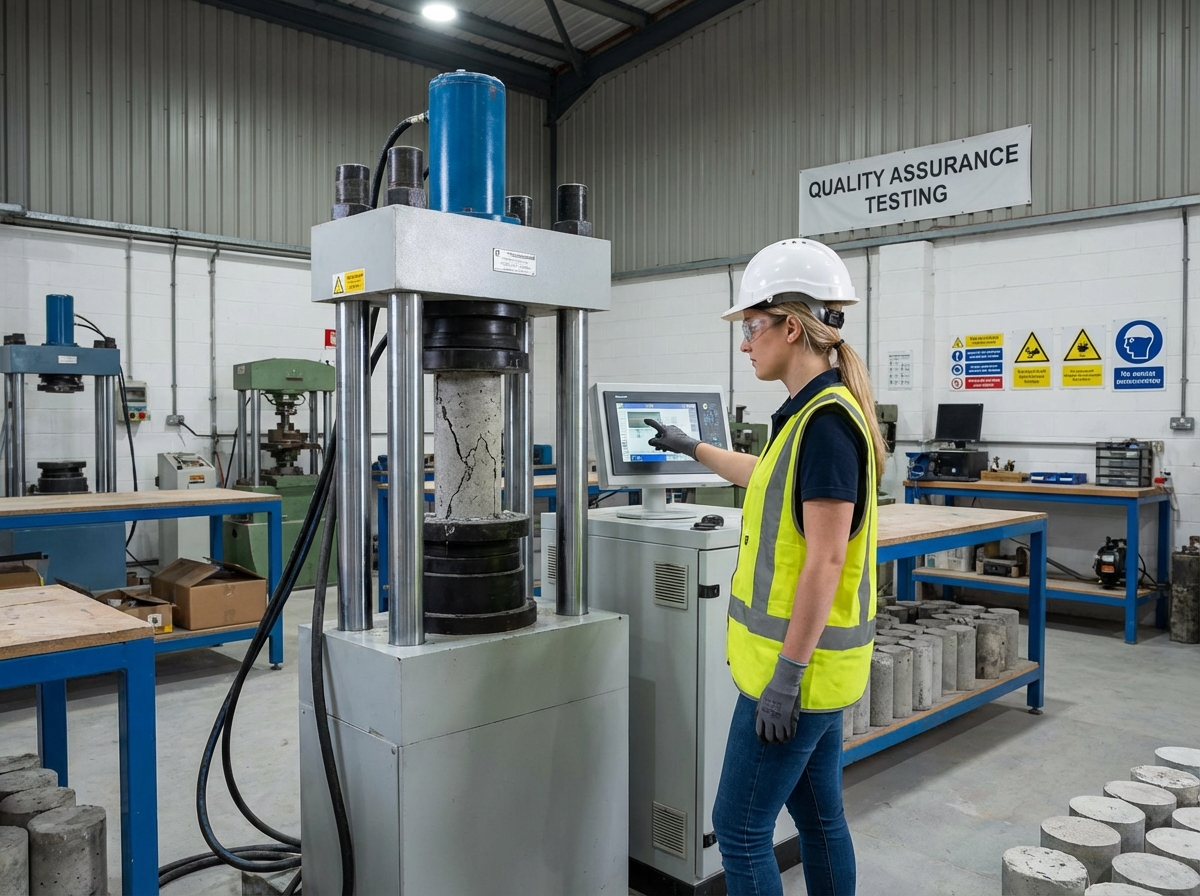
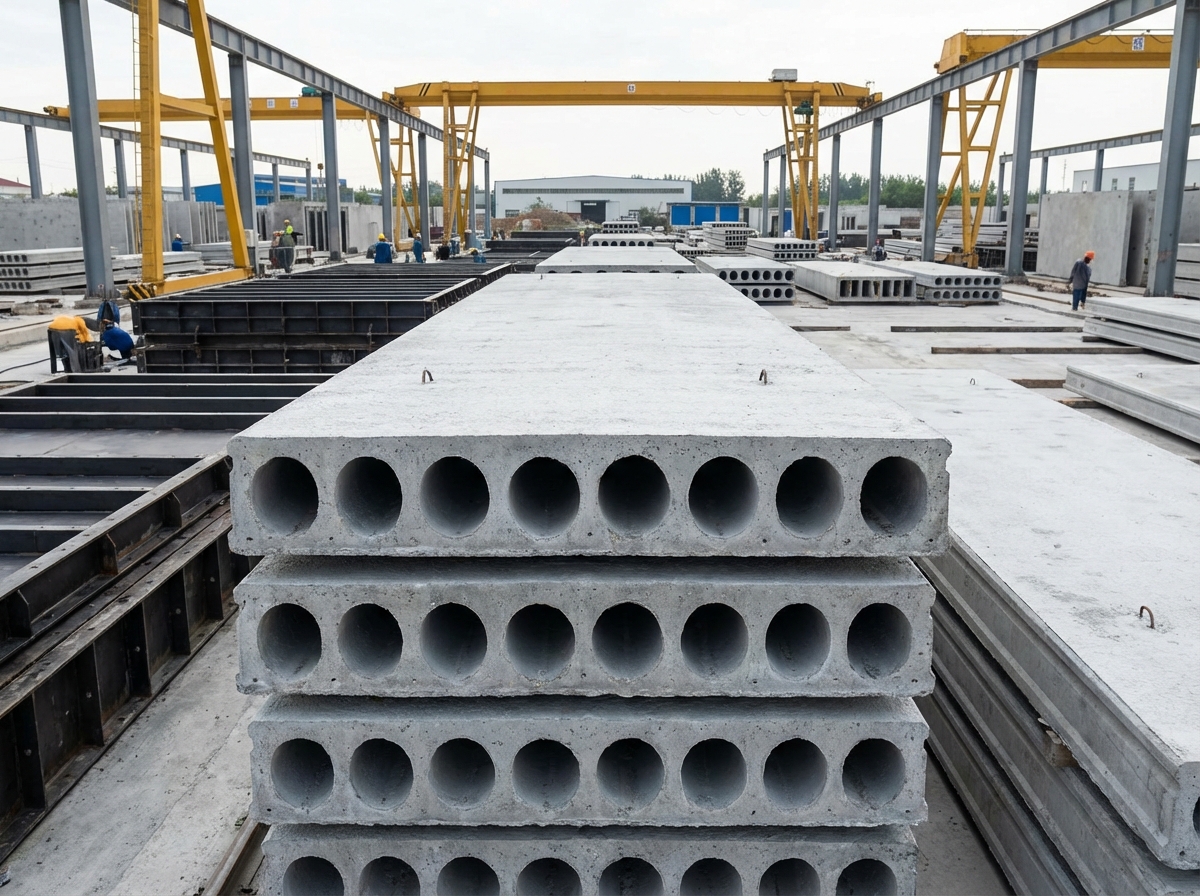
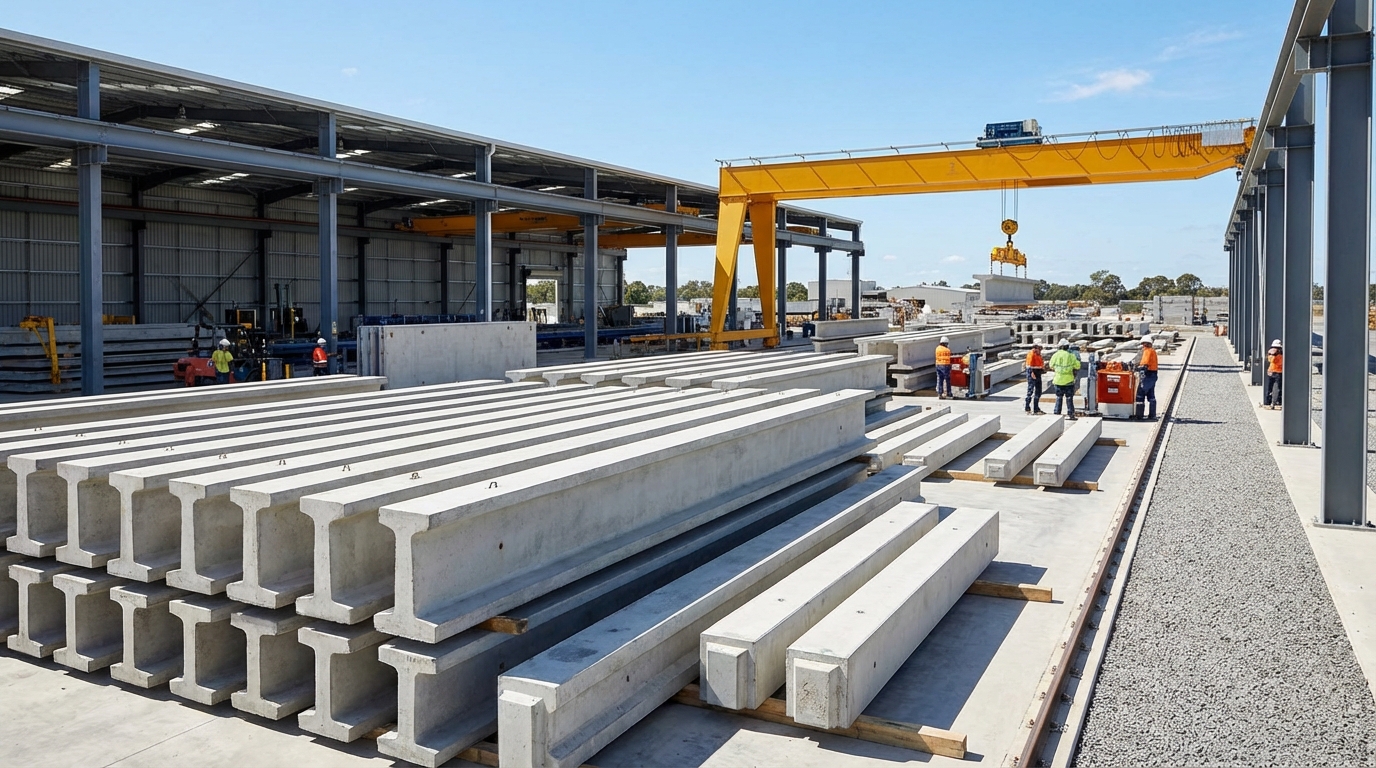
Precast is often the stronger option where repetition, speed, and dimensional consistency matter. Housing estates, schools, warehouses, bridge components, drainage systems, and commercial floor systems all benefit from factory production, where casting conditions are controlled and curing is less exposed to weather delays. Site work can then focus on installation rather than full wet trades.
For developers working with tight delivery windows, precast can shorten construction programmes because foundation works and off-site production happen in parallel. It also reduces congestion on constrained urban sites where storage, formwork operations, and large labour crews are difficult to manage safely.
When Cast-in-Place Remains Appropriate
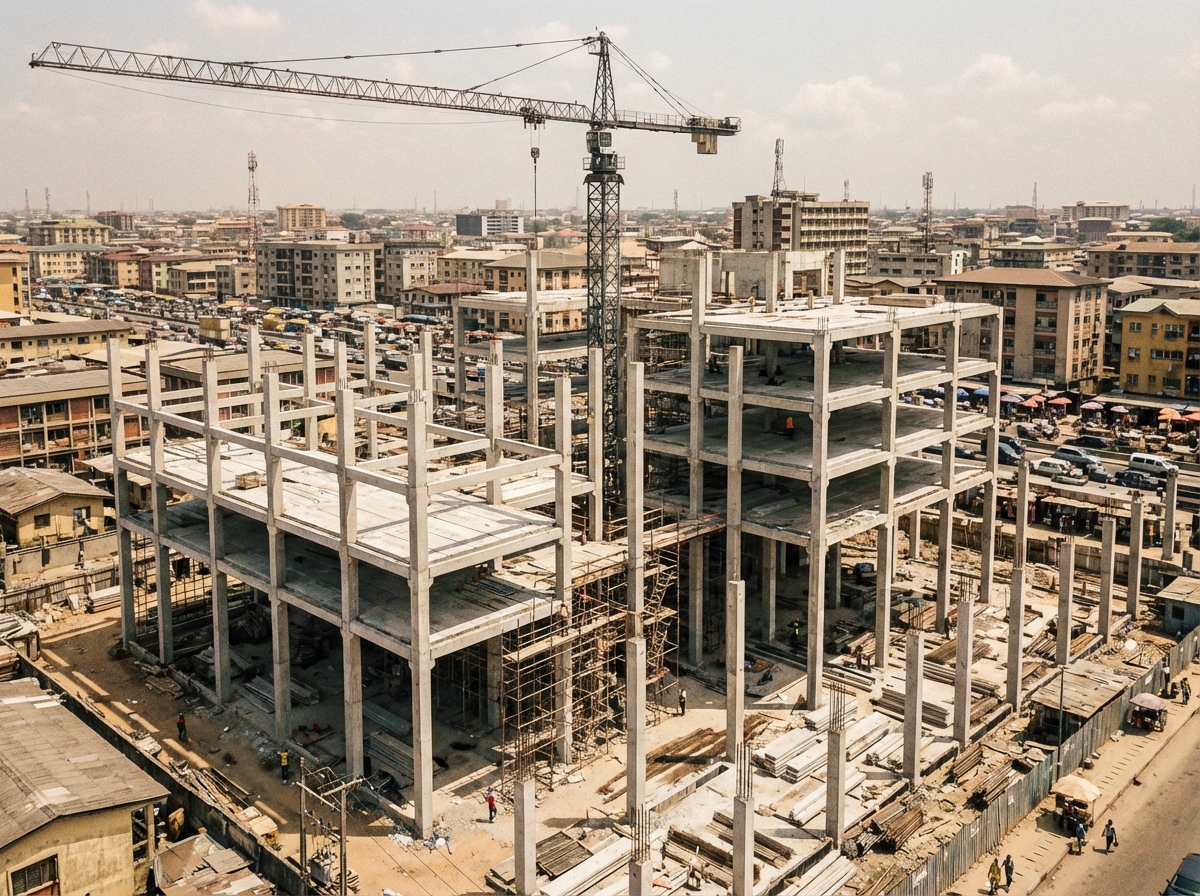
Cast-in-place construction remains practical for highly irregular geometries, one-off structures, or projects in locations where transport access limits the movement of large precast units. It also gives flexibility for last-minute dimensional adjustments, especially in smaller projects where the economies of repetition are limited.
The best decision usually comes from an early design review that compares programme, crane access, transport routes, labour availability, and specification requirements. AGC PreCast regularly supports consultants and contractors with that assessment so the selected system matches both the technical brief and the commercial realities of the job.